From Shuttles to AMRs: Where Warehouse Automation Is Heading
Interact Analysis says warehouse automation orders grew about 7% in 2025 and expects 6% growth in 2026, with a stronger construction-led lift in 2027. What that means for rack design, tolerances and the projects buyers are scoping now.
Key takeaways
- Interact Analysis raised its estimate of 2025 warehouse automation order growth to 7% and expects 6% in 2026. For the U.S. it forecast 12% growth in 2025, with 6 points of that from price increases alone.
- The firm expects warehouse construction to pick up toward the end of 2026, with the effect on automation orders showing mostly in 2027.
- In the 2026 MHI–Deloitte industry survey, 39% of supply chain leaders rated the disruptive impact of robotics and automation as significant or greater, up 16 points.
- AS/RS and shuttle systems turn the rack into part of a machine: tolerances, floor flatness and anchoring are set by the automation supplier, and they need to be agreed before the rack is designed.
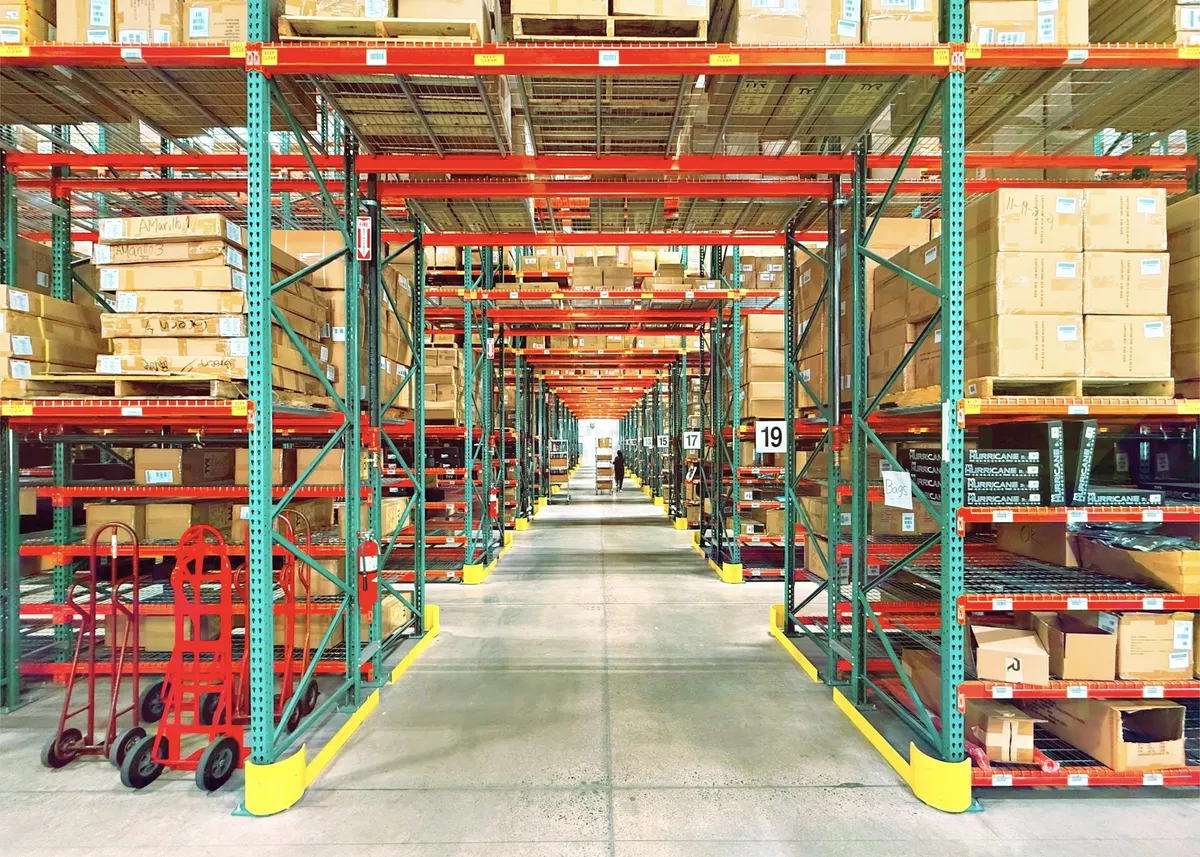
RackingZone News Desk · Nov. 26, 2026 — Warehouse automation spending is growing again after a soft 2024, and the next lift is expected to come from the new buildings now under construction. For rack buyers this matters more than it might seem. When a system adds a stacker crane, a pallet shuttle or a fleet of robots, the rack stops being plain shelving and becomes part of a machine, with tighter tolerances, stricter floors and more parties involved in the design. Here is where the market stands as of Nov. 26, 2026, and what it changes about specifying racking.
- +7%
- Global warehouse automation orders in 2025 (Interact Analysis)
- +6%
- Interact Analysis forecast for 2026
- ~6%/yr
- Expected average growth in the Americas, 2025–2030
- 39%
- Leaders rating automation's impact as significant or greater (MHI 2026)
Orders are growing, partly on price
In January, research firm Interact Analysis raised its estimate of global warehouse automation order intake for 2025 to +7%, from the 1% it had predicted in May, and lifted its 2026 forecast from 5% to 6% (Modern Materials Handling). For the United States it expected 12% order growth in 2025, with 6 percentage points of that coming from price increases alone. It cited three reasons for the revision: a moderate rise in warehouse construction, higher steel costs from steel and aluminum tariffs being passed on to end customers, and several large end-user investments.
A later Interact Analysis outlook, reported in February, puts average growth at about 6% a year globally from 2025 to 2030, with the Americas also around 6%, EMEA about 7% and Asia-Pacific about 5%. It said rising steel and labor costs had inflated project values in North America and expects growth there to slow as steel prices normalize. General merchandise, durable manufacturing and food and beverage are expected to grow fastest; grocery automation in the Americas is expected to slow toward 2030 as large distribution center programs finish.
The timing links automation to construction. Interact expects warehouse construction to pick up toward the end of 2026, with the effect on automation orders showing mostly in 2027. U.S. industrial space under construction rose 23% year over year to 324.7 million square feet in the third quarter, and Cushman & Wakefield says large tenants want "automation-ready" buildings with higher clear heights and more power (Q3 2026 MarketBeat; see our construction report).
Buyers' intentions point the same way. In the 2026 MHI Annual Industry Report, produced with Deloitte, 39% of supply chain leaders rated the disruptive impact of robotics and automation as significant or greater, up 16 points from 2025. Some 56% expect to increase spending on supply chain innovation, 52% plan to spend more than $1 million and 17% more than $10 million (MHI).
Three families of automation, three different rack questions
Unit-load AS/RS: the rack becomes the machine's track
In a crane-served automated storage and retrieval system (AS/RS), a stacker crane runs in a narrow aisle between tall racks and places pallets without a driver. The crane's guide rails and the rack positions must line up within tight limits over the full height, so tolerances for the rack, its installation and the floor are set by the AS/RS supplier, not by the forklift rules used for conventional racking. In Europe, FEM 9.831 deals with tolerances in crane-served high-bay racking; in the U.S., rack design itself falls under ANSI MH16.1. At the largest scale, a rack-supported building uses the racking as the building's structure, carrying the roof, cladding, wind, snow and seismic loads, which brings building permits and structural engineering into the rack contract.
Pallet shuttles: dense lanes with rails
Pallet shuttle systems use battery-powered carts that run on rails inside deep storage lanes, much like drive-in racking without forklifts in the lane. They can be semi-automated, with a forklift placing the shuttle, or fully automated with lifts and transfer cars. The rails become a structural part of the rack, so lane straightness, rail joints and impact protection at the lane entry all need attention. See AS/RS and shuttle systems for how these options compare.
AMRs and goods-to-person: the rack question moves to the floor
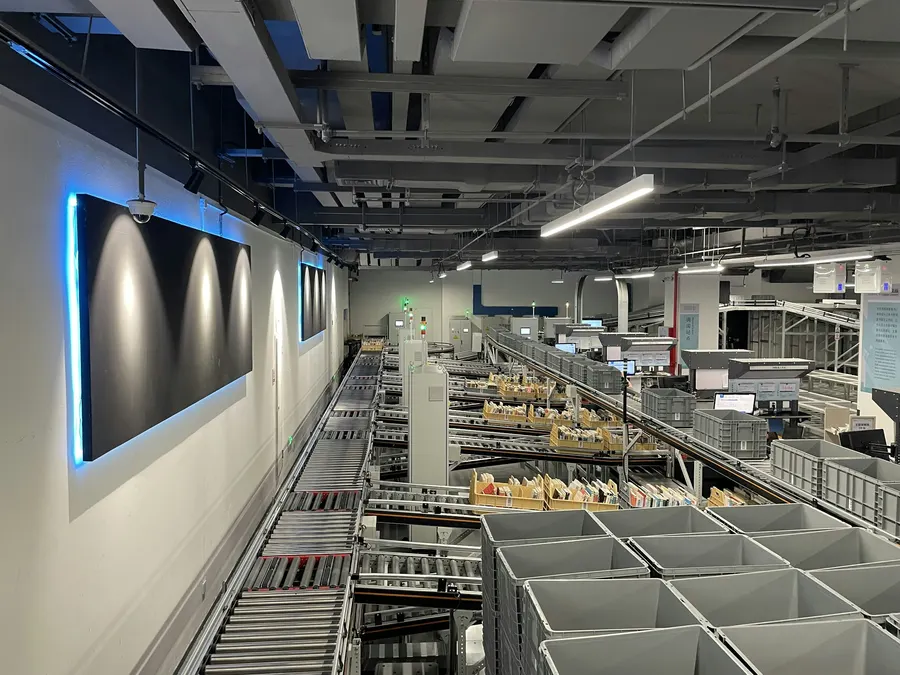
Autonomous mobile robots (AMRs) navigate on their own and usually work with standard racking, carts or mobile shelving units. For them, aisle widths, floor condition, rack protection and labeling matter more than the rack design itself. Adoption is still at an early stage: an Interact Analysis forecast published in January 2025 expected only 13% of warehouses to have implemented fulfillment robots by 2030, and just 3% of forklifts shipped globally to be automated.
What automation changes in a rack specification
- Tolerances. Plumb, straightness and beam-level accuracy must meet the automation supplier's specification, which is usually stricter than for forklift-served racking. Agree who owns the specification before the rack is designed.
- Floors. AS/RS, shuttles and very narrow aisle trucks usually specify floor flatness and levelness (often expressed as F-numbers measured under ASTM E1155) as well as slab capacity. A floor survey belongs at the start of the project.
- Loads and seismic design. Taller, denser racks carry more weight per footprint. Anchoring and seismic design under ANSI MH16.1 and local codes become part of the system design.
- Fire protection. High-bay and dense storage often needs in-rack sprinklers or other measures; involve the fire protection engineer and the local fire department early.
- Retrofits. Automating existing racks is possible, but capacity labels assume the original design and use. Have the racks inspected and re-rated by a qualified engineer before adding shuttles, robots or new loads.
The outlook for buyers
Automation is not only for the largest distribution centers, but it changes how a project is bought. A conventional rack order can be specified by a dealer from a layout and pallet data. An automated system needs the integrator, the rack manufacturer, the structural engineer and the fire protection designer working from one set of requirements. Starting that conversation early, while a building is still being designed or leased, is the best way to avoid paying for changes later. If your 2027 plans include automation, the 2026 order book suggests you will not be the only one asking.
What this means for buyers
- Bring the rack engineer and the automation supplier together early; ask who owns the tolerance specification and the final rack design.
- Commission a floor survey (flatness, levelness, slab capacity) before committing to AS/RS, shuttles or very narrow aisles.
- If you plan to automate existing racks, have them inspected and re-rated by a qualified engineer first; capacity labels assume the original use.
- For AMRs, check aisle widths, floor condition, rack protection and labeling rather than the rack itself.
- Budget for steel-driven price changes: Interact notes that higher steel and labor costs inflated project values in North America.
Sources
- Modern Materials Handling Interact Analysis bumps up its warehouse automation market forecast (Jan 13, 2026)
- Robotics 24/7 Report: Warehouse automation order intake up by 7% (Feb 24, 2026)
- MHI Solutions New MHI and Deloitte report finds AI is biggest disruptor of supply chains over the next decade (2026 MHI Annual Industry Report)
- Modern Materials Handling Interact Analysis cuts mobile robot growth forecast (Jan 16, 2025)
- Cushman & Wakefield U.S. Industrial MarketBeat Q3 2026 (preliminary data)
- ANSI ANSI MH16.1-2023: Industrial Steel Storage Racks
General information as of Nov 26, 2026, not legal, customs or engineering advice. Figures are as published by each source. Spotted an error? Send a correction.